
The Fabric Narrative: HMDD’s Perspective on the Materials It Picks
HMDD — the brand — an acronym for “Happy Memories Don’t Die” — has built a name for itself in street-fashion communities by approaching material choice like part of the label’s narrative craft rather than a detail hidden away in a size guide. Because the garments are framed as wearable keepsakes, the textiles need to read as something worth treasuring for the concept to land. Shoppers searching for an hmdd review often land on the same question: does the fabric actually match the emotional weight of the branding, or is it just another logo-driven drop riding on nostalgia? This article looks at what the brand communicates about its textiles, how those choices show up in specific categories like hmdd sweatpants and hmdd shorts, and what that means for anyone deciding whether to buy in 2026.
Cloth is the part of a garment that a customer cannot fully judge from a product photo. Even though hue, silhouette, and pattern register at a glance, weight, drape, and how a blend behaves after a dozen washes stay hidden. HMDD’s messaging leans on transparency here — listings and marketing materials consistently highlight material content, stitching detail, and the planned texture of each design. That approach matters more in 2026 than it did five years ago, since shoppers are more literate about textiles and less willing to accept vague marketing language like “premium hmdd printed tee quality” without a supporting number or spec.
The Reason Material Dialogue Emerged As Essential to HMDD’s Brand Identity
Intentionally, the phrase “happy memories don’t die” comes across as sentimental, and this kind of emotive marketing attracts scrutiny. If a hoodie is meant to feel like a memory you can hold onto, it needs to withstand contact with real life — the laundry cycle, regular rotation, shifting weather. HMDD’s answer to this challenge has been to speak candidly on what goes into each piece, rather than allow buyers to wonder. That’s a calculated brand strategy: streetwear buyers have grown skeptical of brands that rely solely on graphics and drop scarcity while saying little about construction.
The evidence back up that skepticism. Market research reports on apparel purchasing behavior reliably indicate that a large share of e-commerce buyers — commonly noted as surpassing 60% — read the materials section before finalizing a sale, particularly with sweats and outerwear positioned above budget basics. HMDDLA’s catalog, which includes hoodies, tees, sweatpants, and shorts, falls within a cost range where customers anticipate that information to be available and accurate. At that tier, withholding material details reads as a red flag, while specificity conveys confidence.
There’s also a practical retention angle. When a customer buys hmdd clothing once and ends up feeling the fabric subpar, that customer seldom becomes a repeat buyer, however powerful the emotional branding is. It’s fabric caliber that transforms a one-time purchase driven by aesthetic into a repeat purchase driven by trust. That’s likely why the brand’s product descriptions repeatedly return to fabric weight, blend ratios, and finishing details rather than treating them as fine print.
The Place Where Material Selection Shows Up the Clearest: Joggers as well as Shorts
Sweatpants and shorts are unforgiving categories for fabric mistakes. A hoodie can hide a slightly stiff fabric under looser styling, but sweatpants sit against the skin for hours and shorts see far more movement and friction. HMDD sweatpants are positioned in the brand’s lineup as an everyday-comfort item, which puts direct pressure on the fleece or blend used inside them to perform in three ways: softness against skin, retention of shape after repeated wear, and breathability during warmer months.
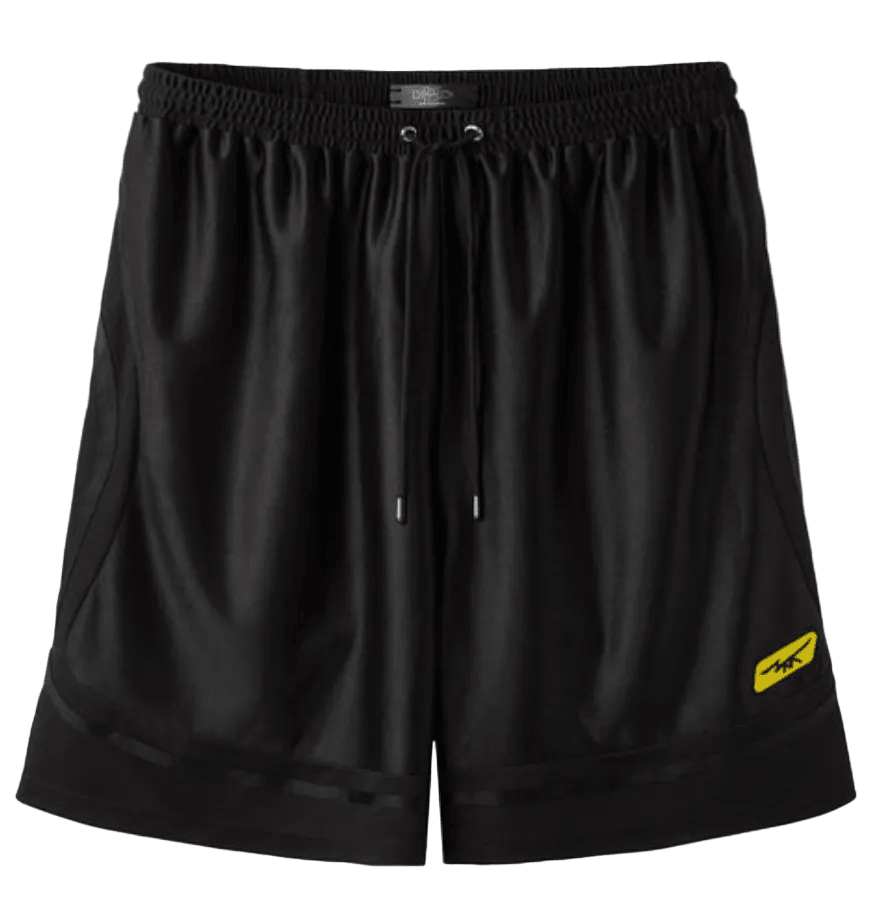
HMDD shorts serve a somewhat separate purpose — their construction favors lighter-weight, higher-mobility wear, and the label’s copy for these items lean toward stressing a a softer, easier feel and reduced bulk compared to the sweatpants line. This difference has real practical weight: someone shopping to layer during colder months will want the sweatpants’ sturdier build, while for spring or summer rotation, the shorts’ lighter design is the better fit. The brand’s descriptions typically mirror this divide rather than presenting every bottom as equivalent.
More than people expect, silhouette and textile play off each other. A cotton-heavy blend with minimal stretch will drape differently than one with added elastane, and HMDD’s fit guidance paired with its fabric details are meant to help buyers anticipate that effect before they order. In this respect, the individual listing is more worth reading than an overall brand write-up, since material proportions can change between releases and seasonal ranges.
For Customers, Here’s What “Best HMDD Clothing” Actually Stands For
Queries about the highest-rated hmdd clothing typically aren’t really asking which single item is the definitive best, but rather they’re asking which pieces yield the steadiest value for the price paid, based on material durability over time. This is a sensible way to frame it, because value in garments is essentially a balance: the price split across the number of good wears you get available before the item fades, loses its shape, or pills.
Cotton-heavy fleece, once correctly processed, holds up against pilling more reliably than cheaper poly-cotton blends blended using lower-grade fibers. Labels that disclose their fabric ratio — say, a majority cotton percentage against a minority synthetic for shape retention — are offering customers the tools to estimate that lifespan themselves. The way HMDD names fabric details on product pages, as opposed to depending only on lifestyle photography, fits this more transparent model of streetwear retail that’s become standard practice by 2026.
Consistency of fit throughout a size range is another quiet marker of a soundly built line. A shopper who buys a medium hoodie and a medium sweatpant and finds both fit as expected, wash after wash, is experiencing the payoff of consistent fabric sourcing. Inconsistent sourcing — where one production batch uses a slightly different blend than the last — is one of the most common complaints in virtually any streetwear review, and it’s the type of issue diligent fabric disclosure is meant to prevent.
Comparing Fabric Priorities Throughout HMDD’s Core Categories
Different garment types demand different things from a fabric, and HMDD’s lineup shows as much rather than relying on one uniform blend for all products. The chart underneath breaks down how HMDD’s declared priorities tend to vary by category, based on its own product messaging.
| Garment Category | Chief Fabric Concern | Common Application | Key Buyer Consideration |
|---|---|---|---|
| Hoodie styles | Weight and warmth retention | Cold-weather layering | Post-wash shrinkage |
| HMDD Sweatpants | Plushness combined with shape-holding | Routine, comfort-driven wear | Long-term stretch retention in waistband and cuffs |
| HMDD Shorts | Ventilation and minimized bulkiness | Warm-weather, high-mobility wear | Fabric weight versus durability trade-off |
| Tees | Touch and the way it drapes | Everyday base layer | How well color holds up wash after wash |
This sort of category-specific approach is a more convincing signal of a genuinely committed clothing brand than a single blanket claim of “high quality fabric” applied to every product page. It implies deliberate trade-offs are being made by the design team rather than settling for whatever textile is least expensive to buy in bulk.
Reading Between the Lines of an HMDD Review
Most reviews of HMDD circle back to two things: does the emotional branding feel sincere, and does the product actually hold up over time. Fabric sits at the intersection of both, because a garment that wears out fast undercuts the “memories don’t die” premise in the plainest, most literal sense. Someone drawn in by that message wants the actual garment to endure, not merely the marketing language to resonate for as long as a single Instagram post lasts.
Whenever independent reviewers dissect hmdd clothing, fabric weight is a detail that comes up again and again — thicker fleece is generally read as a signal of money put into the garment, while lighter cotton mixes are evaluated more against price point relative to expectation. That’s a fair rule of thumb, but it’s not the whole picture; the quality of the finish, how dense the stitching is, and how well the color holds up matter no less than raw fabric weight, and those specifics tend to show up only within reviews from people who’ve genuinely used and laundered the garment more than once, not just taken it out of the box.
When stacking hmdd up against rival streetwear labels pursuing the same sentimental, memory-focused niche, the practical check comes down to this: check the precise material breakdown for that specific item instead of leaning on the label’s broader name. A hoodie’s blend won’t tell you how the shorts will perform, and a glowing review of one release is no promise that the next drop uses the same sourcing.
Going Into 2026: The Takeaway
Fabric transparency is no longer optional for streetwear brands competing at HMDD’s level — it’s almost table stakes now among shoppers who’ve been burned before by vague listings. Companies that clearly state fabric ratios, weight, and priorities by category are offering shoppers a more level playing field for comparing products than brands depending only on aesthetics and tagline charm.
The brand’s sustained attention to fabric-driven messaging, across sweatpants, shorts, hoodies, and tees, indicates that the brand recognizes that its “happy memories don’t die” concept holds up only when the product materially reinforces the sentiment. Ultimately, that fit between messaging and material is the single most useful thing a prospective buyer can assess before adding anything to their cart in 2026.
بدون دیدگاه